



Sustainability
Our concept for sustainable coexistence
When visiting the SchartnerAlm, our guests are not only choosing from an extensive range of services, but also opting for a nature-friendly and sustainable vacation option.
Climate House
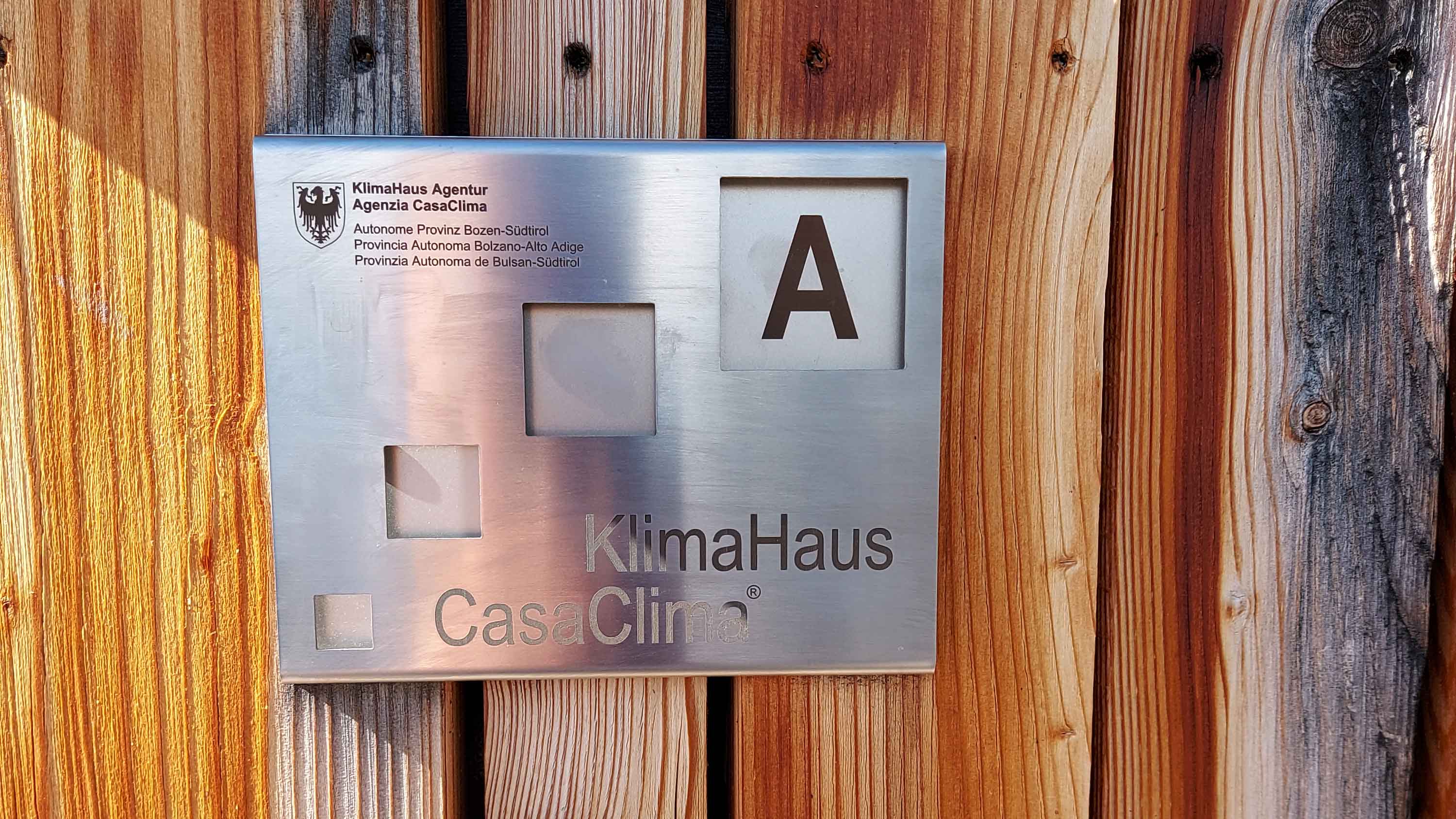
Built in 2019, the Climate House is certified to Climate House Class A and guarantees maximum living comfort with minimum heating costs thanks to its future-oriented construction.
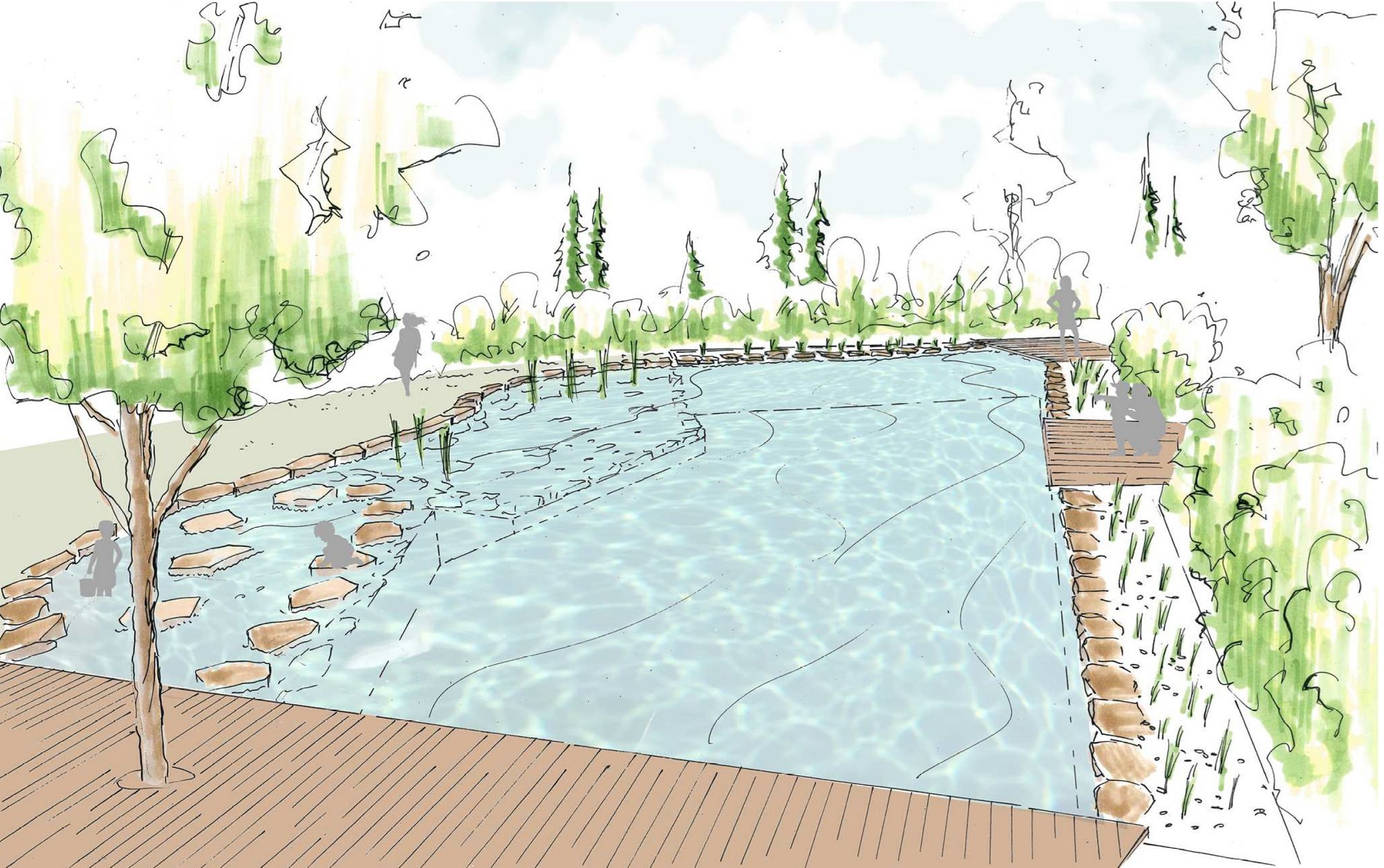
Bio Pool
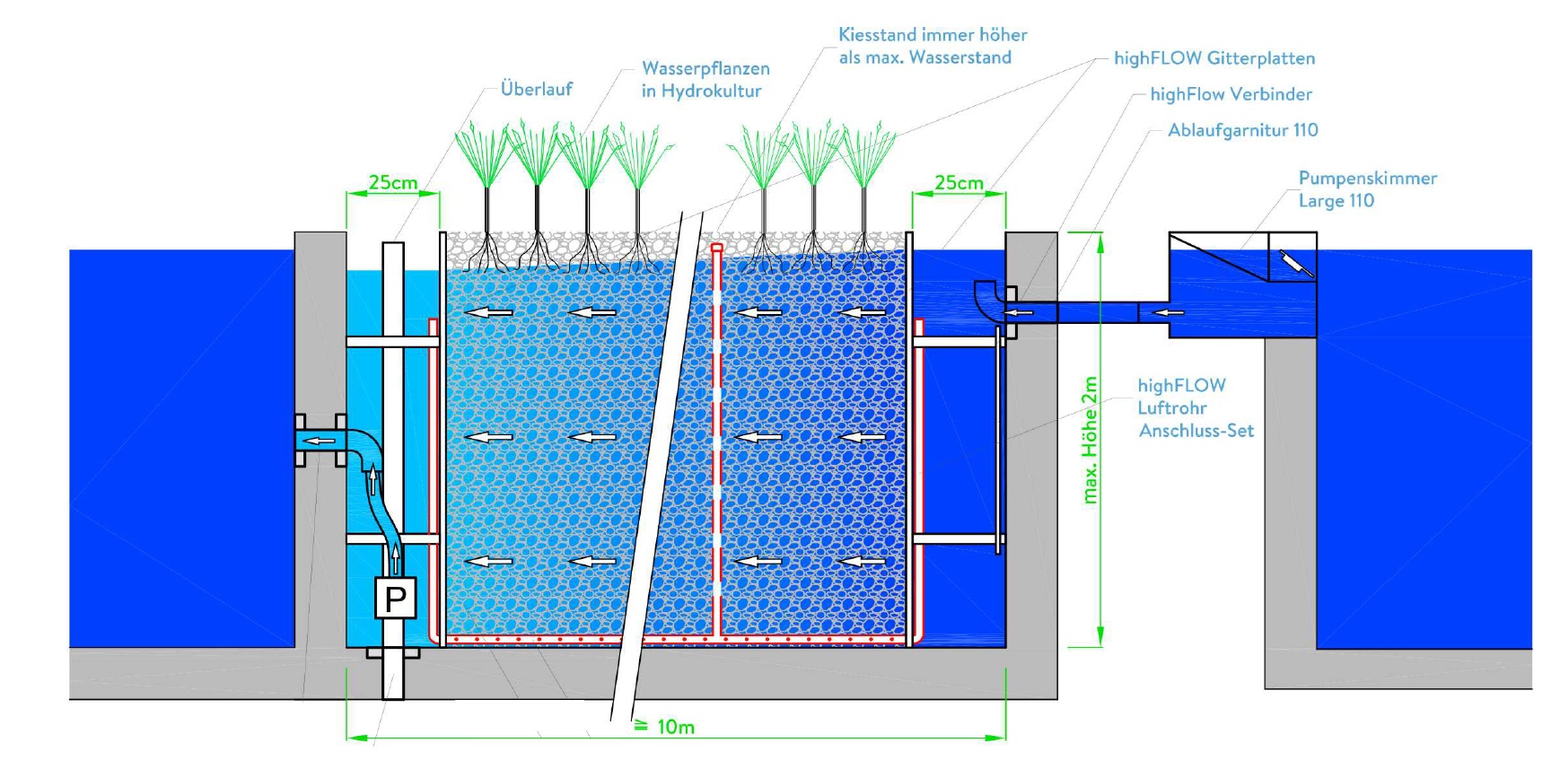
The SchartnerAlm also offers its guests the opportunity to refresh themselves in the bio pool, which is also located on the premises. The water in the bio pool is kept in constant motion, flows through a gravel filter, and is thus biologically treated in accordance with Ö-Norm L 1128. The biofilm that forms in the gravel filter ensures biologically stable and natural bathing water with drinking water quality. The bio pool is a living system and interacts with its environment.
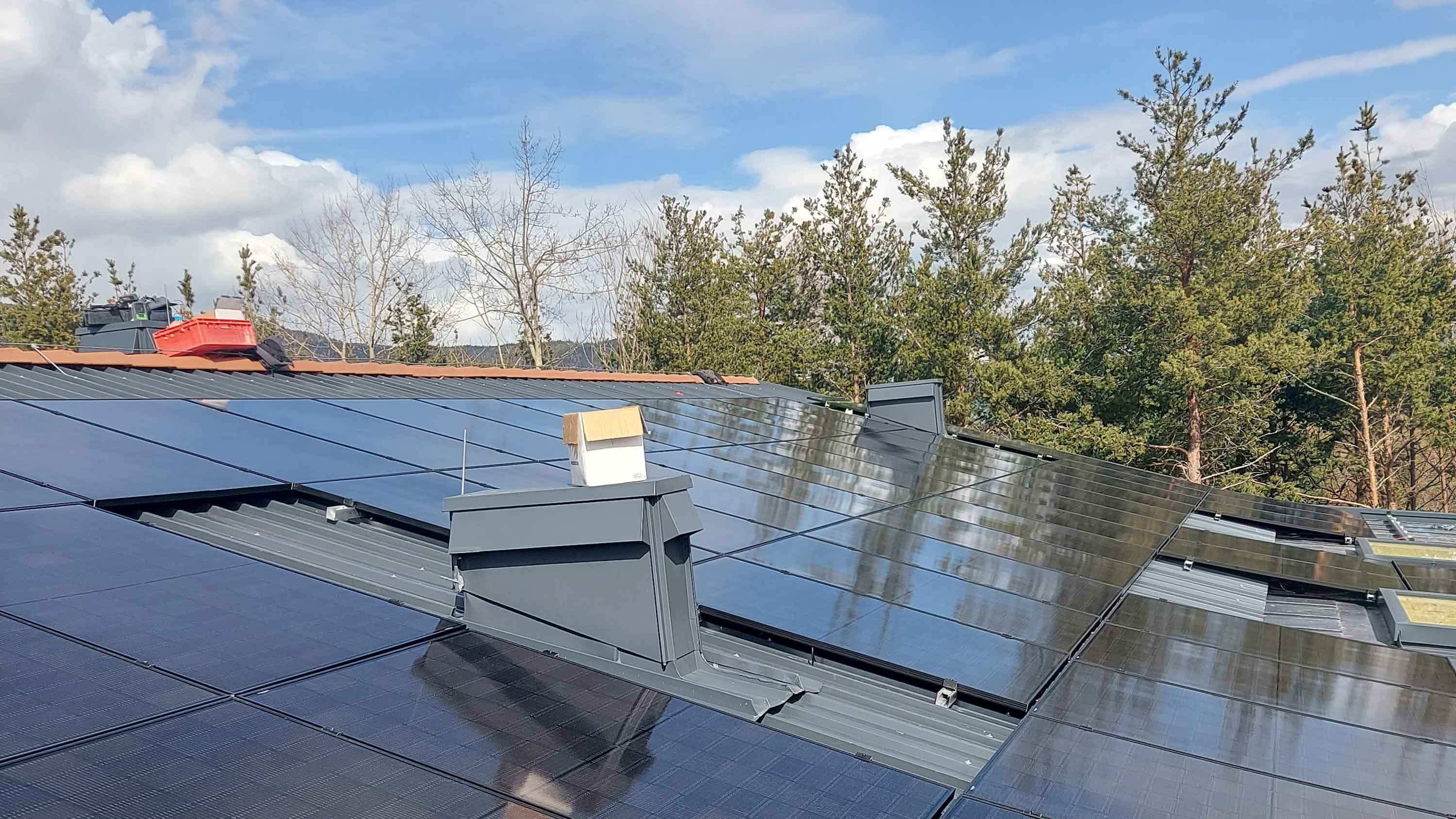
Photovoltaic system
We are committed to sustainable energy sources and have installed a photovoltaic system on the roof to generate green electricity. The additional electricity we purchase also comes from 100% green energy sources.
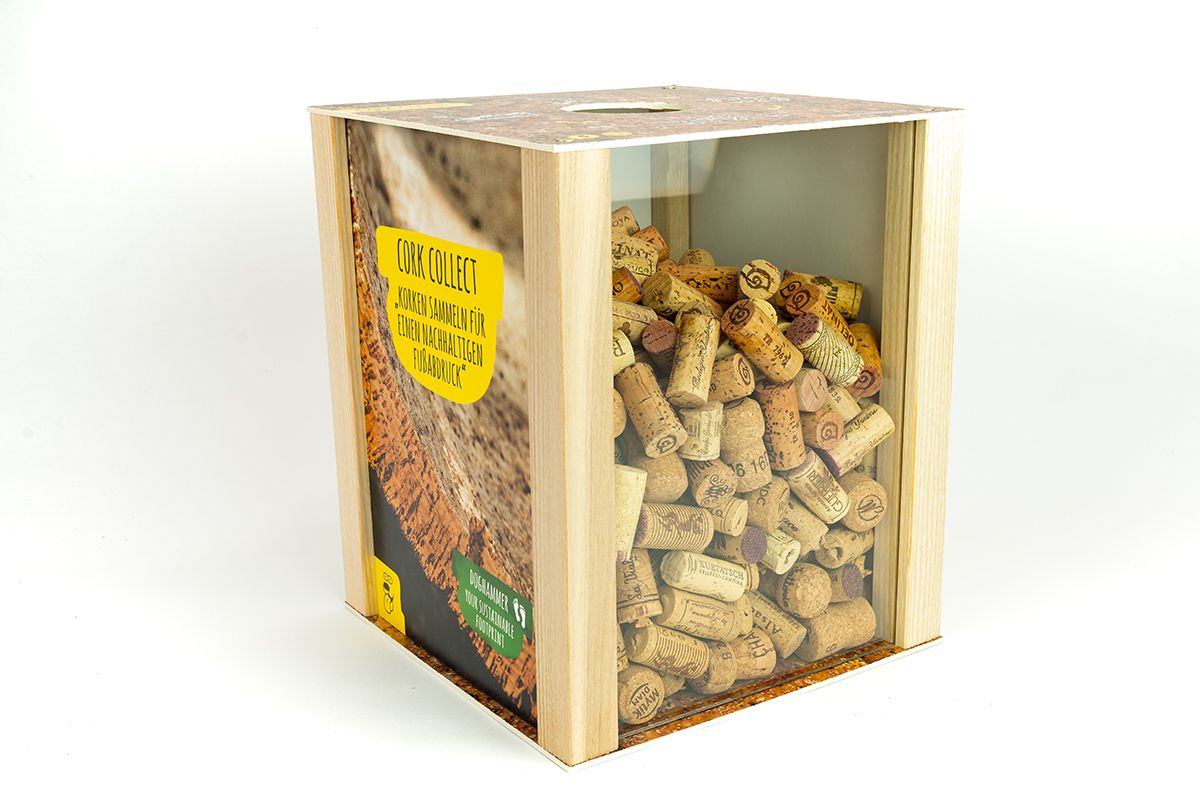
Recycling and upcycling
Recycling and upcycling play a central role at SchartnerAlm. A perfected waste separation system and our own recycling station with color-coded trash cans have resulted in a significant reduction in our ecological footprint. Organic waste such as ash and compost is reused, while upcycling projects such as Doghammer find innovative ways to transform used materials into new products. These measures are part of our commitment to sustainable and environmentally friendly operations.
Protecting the environment
At SchartnerAlm, we are fully committed to environmental protection and sustainability. The facility is home to a variety of wildlife, including squirrels, dormice, ravens, great spotted woodpeckers, and redstarts. In addition, after the campsite was established, 300 native trees and shrubs were planted to rejuvenate the forest and promote oxygen production. Guests use the Ritten Card for free public transportation and can rent e-bikes, which reduces the use of motorized vehicles. Wastewater is treated by an internal sewage system before entering the sewer system, and a recycling station with waste separation by trained staff contributes significantly to reducing the ecological footprint.